Shop now, pay later in 4 easy installments

free tips
The First Page Problem: What to Write When Your Journal Feels Too Nice to Ruin

TL;DR: The first page of a new journal feels high-stakes because it seems to set the tone for the whole book. It doesn't. Treat page one as a warm-up, not a monument — date it, write something deliberately ordinary, and the rest of the journal opens up. Three easy first entries below.
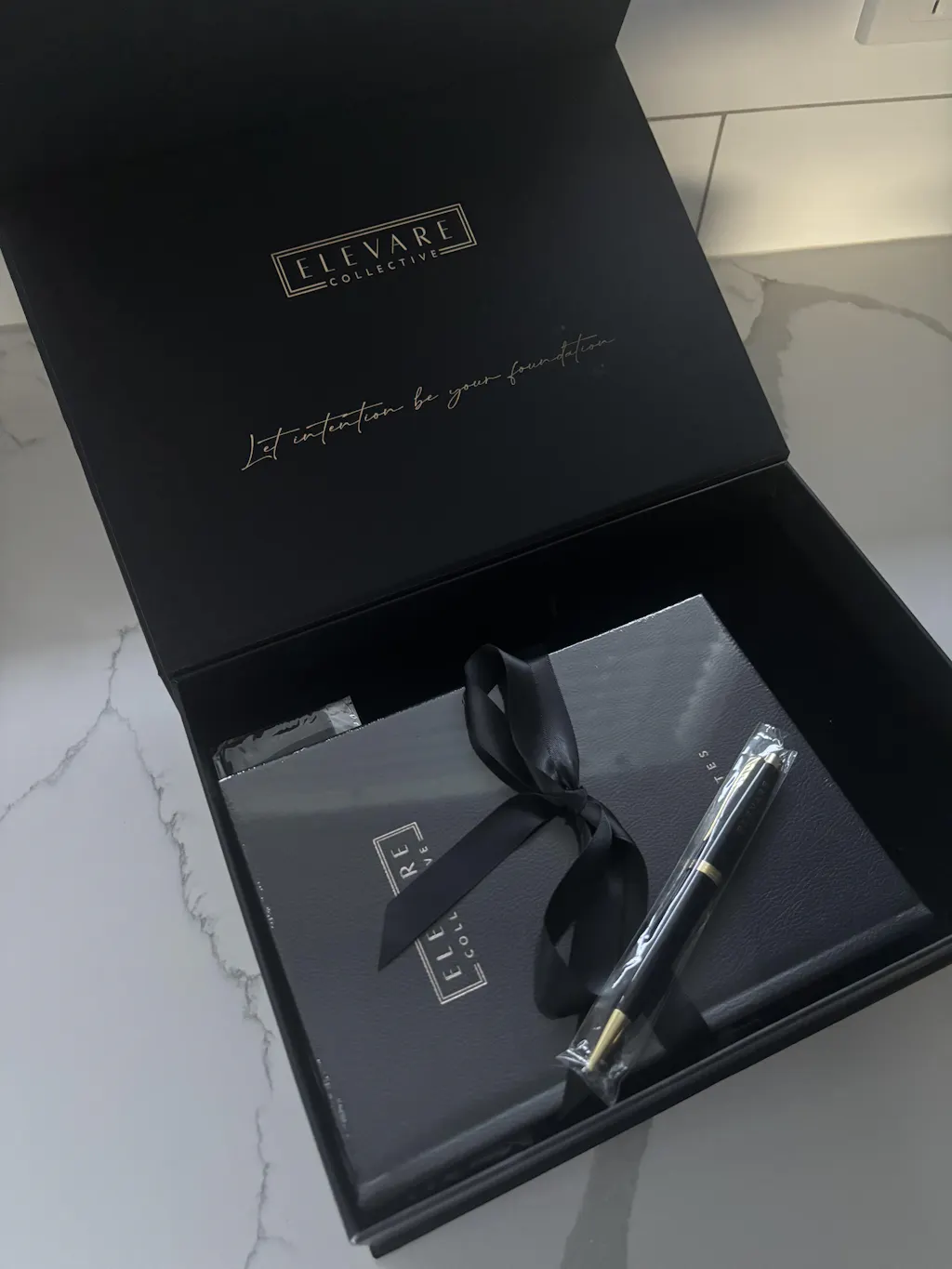
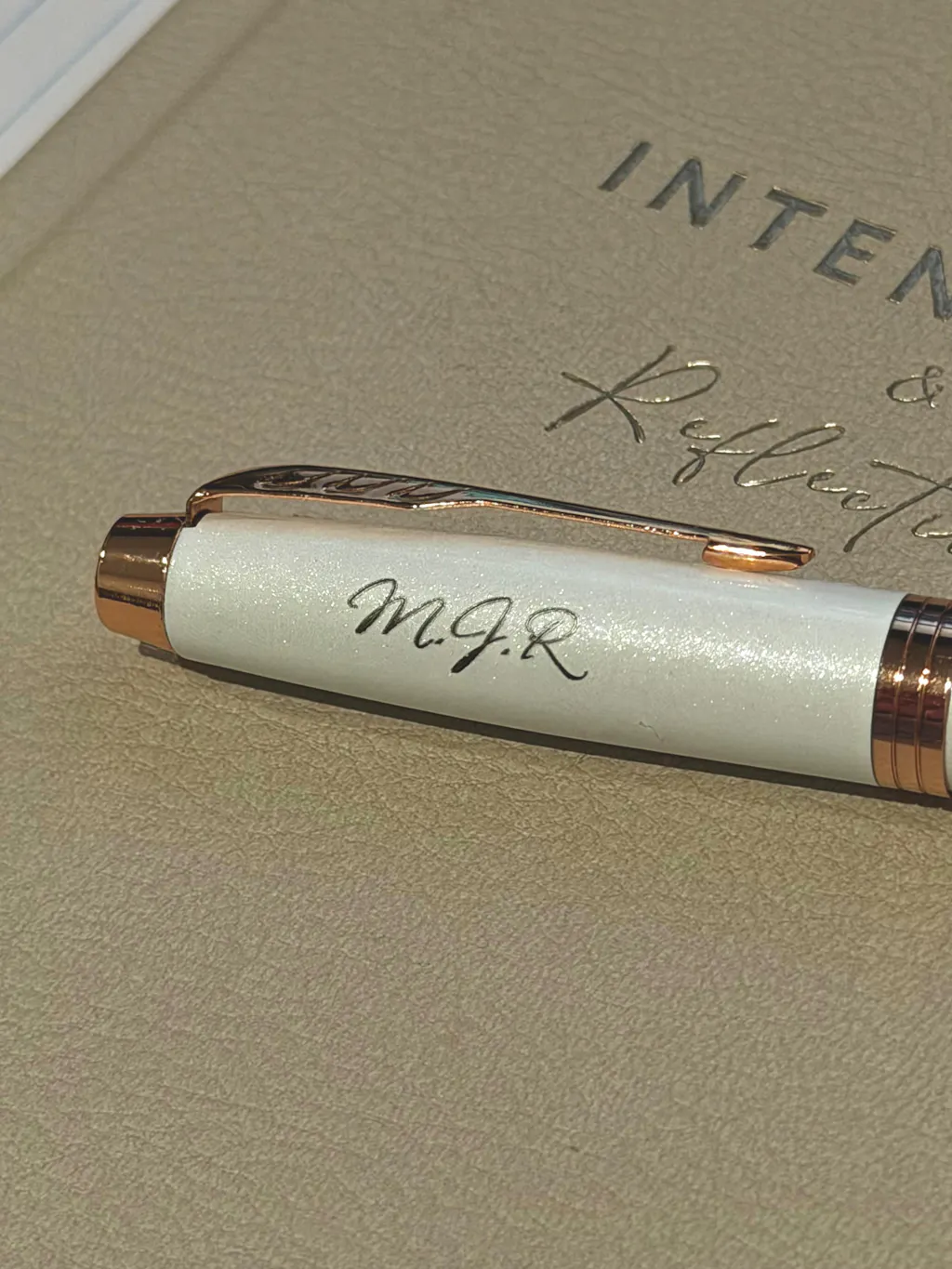
You know the moment. The journal arrives, the cover is beautiful, the paper is thick, and you sit down with a pen and… nothing. Suddenly your handwriting looks wrong. Whatever you were going to say feels too small for a book this nice.
That hesitation has a name among stationery people — the first page problem — and it's the single most common reason a lovely journal ends up sitting in a drawer, pristine and unused.
Why the blank first page feels so loaded
A new journal quietly asks a question: who are you going to be in these pages? That's a lot of pressure for a Tuesday night. The nicer the object, the higher the imagined stakes — you don't want to "waste" it on an ordinary day, so you wait for a day worth recording. The perfect day never quite arrives, and the journal stays shut.
The fix isn't more motivation. It's lowering the stakes on purpose.
The first page is a warm-up, not a monument
Nobody reads your journal back and judges page one. Not even you — six months from now, you'll be far more interested in what page forty says. So give the first page a deliberately modest job: it exists to be written on, so that page two feels normal.
Cross something out on it if you like. A journal with one honest scribble in it is already doing more for you than a perfect one that's still blank.
Three first entries that actually work
- The state of things. Date the page, then write five plain sentences about your life right now — where you live, what's occupying your head, what you had for dinner. It reads as boring today and becomes the most interesting page in the book within a year.
- The reason you bought it. One paragraph: what made you get a journal, and what you're hoping shows up in these pages. You're allowed to be honest — "I want to stop carrying everything around in my head" is a complete answer.
- A borrowed prompt. If a blank line is the problem, don't start with a blank line. Pick one question from our 100 journal prompts and answer it in three sentences. Done — the seal is broken.
If it still feels too precious
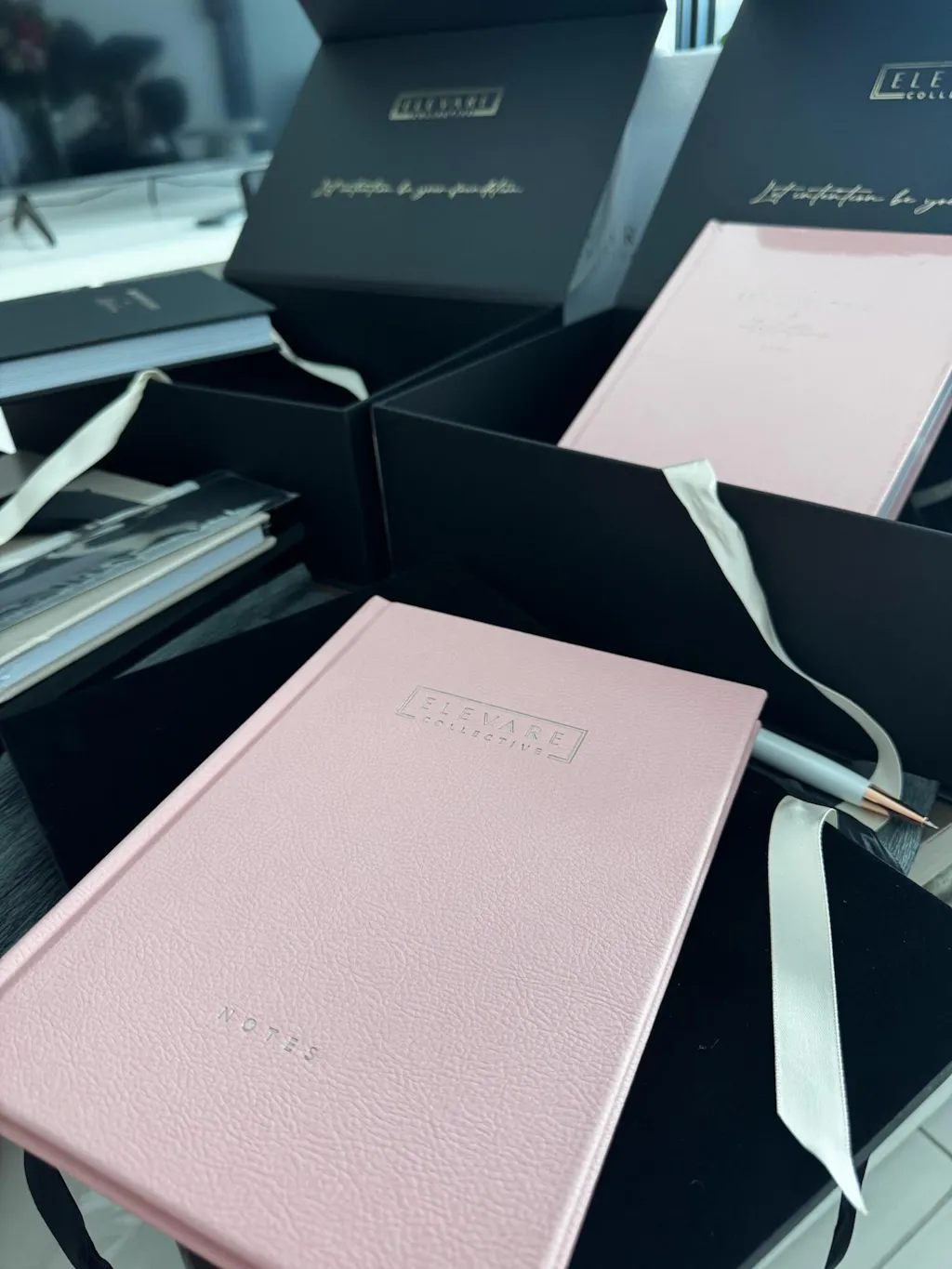
Keep the thinking mess somewhere else. Plenty of people pair their journal with a notebook — the notebook catches lists, half-thoughts and crossings-out, and the journal gets the entries you actually sit down for. Neither has to be tidy; they just do different jobs.
And if you're choosing your first one: the Rose Quartz tends to suit people starting fresh, the Eclipse suits people done with drifting, and the Sandstone is the calm middle. All the same pages inside — the colour is just which mood you want on your desk.
The only rule that matters
Written beats perfect. Every time. Date the page, write something ordinary, close the book. Tomorrow, page two will feel like nothing at all — and that's the whole point.
Start your first page this week →
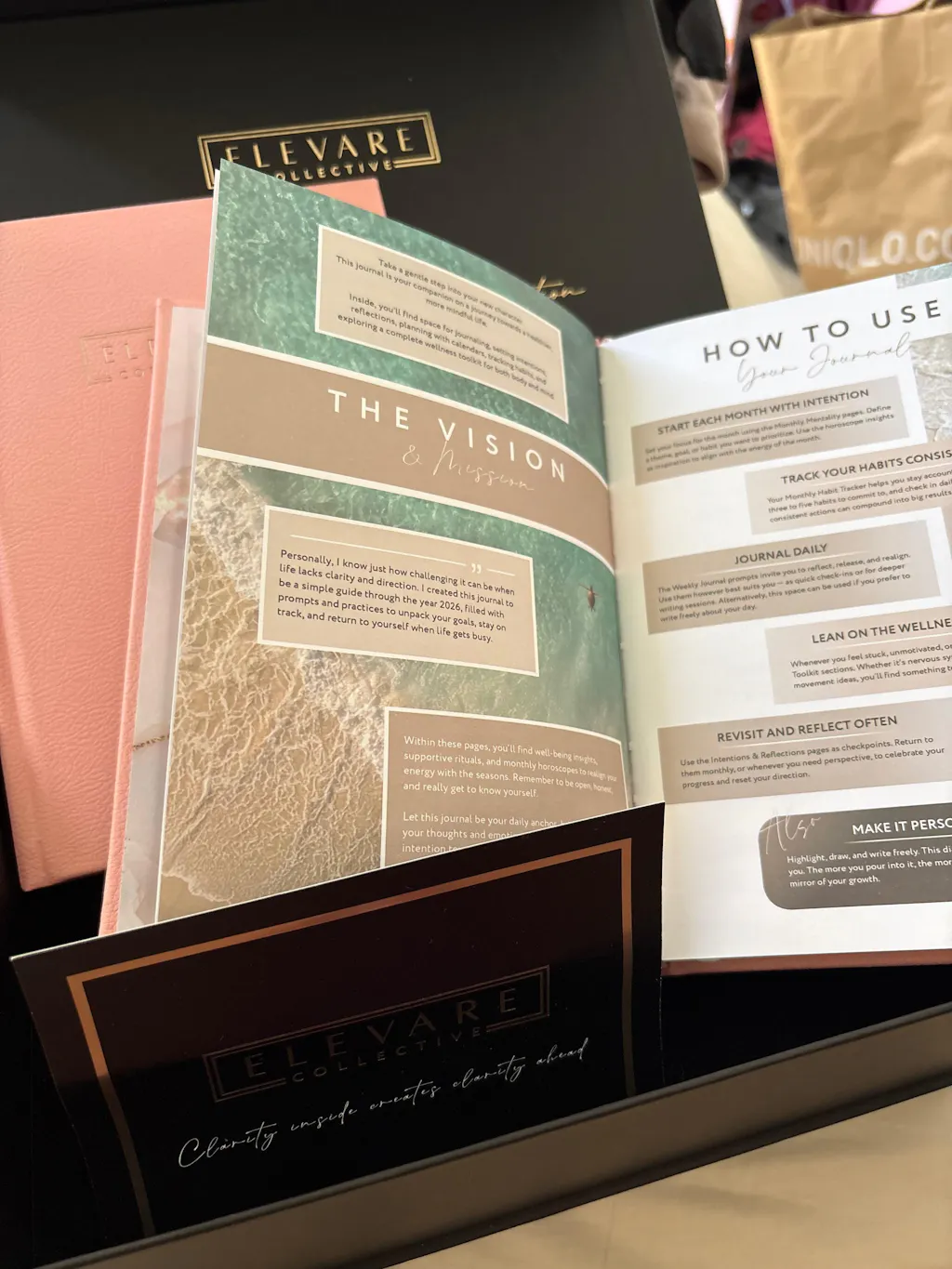
Written by Brylee, co-founder of Elevare Collective. Elevare makes the Intentions & Reflections journal in Australia — structured pages for clarity in a fast-paced, digital world. Every post on this blog comes from things we practise ourselves, not theory.